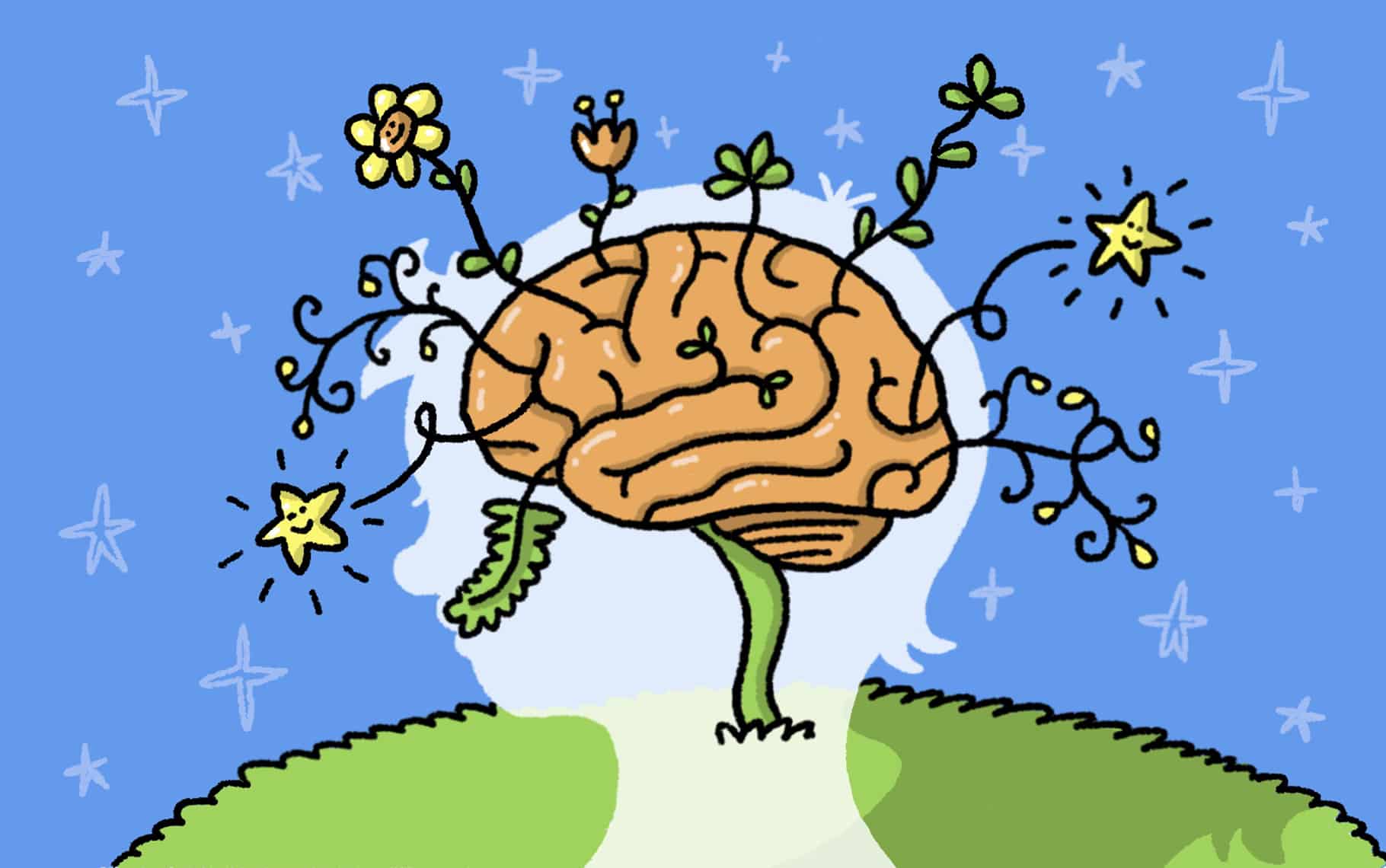
Little Sparks, Big Starts for Schools
Teach pupils how the first five years shape a lifetime
Free ready-to-teach KS2 and KS3 lessons introducing pupils to the science of early brain development, why our earliest experiences matter, and the role we can all play in giving children the best start.
Linked to the PSHE Association Programme of Study and the Science National Curriculum.

Tried and tested
- Tested with 3,700+ pupils as part of the original SEEN evaluation
- 91% of pupils said others their age should learn it
- 100% of teachers said early brain development should be taught in schools
- Learning was still evident 6–8 weeks later
"Excellent student engagement and fantastic discussion topics to stretch and challenge students' ability to make the connection between scientific aspects of the brain and their daily lives."
Nower Hill High School
Why teach early brain development?
It gives pupils knowledge for life.
Young people learn why the first five years matter and how everyday interactions can support a child's developing brain.
It turns science into something pupils can use.
Pupils don't just learn about neurons and neuroplasticity. They explore how that science relates to talking, playing and interacting with babies and young children.
It helps pupils understand themselves and others.
The lessons introduce ideas including neuroplasticity, relationships, resilience and how experiences influence development.
It is relevant now as well as in the future.
Pupils may already be older siblings, cousins or babysitters. In future, many will become parents, carers or work with children.
“I thoroughly enjoyed delivering the lessons, they were highly informative and engaging for both me and my classes. The students found them relevant to their own lives and could relate to them. I feel it has helped both me and my classes help improve child brain development for the future.”
Outwood Academy Shafton
Ready to teach
Everything you need to introduce early brain development.
Start with an assembly
A ready-to-go introduction to brain development.
Key Stage 2
Two 60-minute lessons, or a streamlined 45-minute version.
Key Stage 3
Two 60-minute lessons exploring early neurodevelopment in greater depth.
Each lesson includes
PowerPoints · curriculum links · learning outcomes · teacher notes
Little Sparks, Big Starts for Schools
Little Sparks, Big Starts gives pupils an evidence-informed introduction to how early experiences shape the developing brain and shows them how that knowledge connects to everyday life, relationships and the way we care for young children.
By introducing pupils to the science of early neurodevelopment, we’re helping the next generation recognise the importance of those first five years of life – and the role we all play in giving children the best start.
Little Sparks, Big Starts resources have been adapted and optimised from the original Secondary Education Early Neurodevelopment (SEEN) programme.